Do Aurora Homes Need Panel Upgrades for EV Chargers?
Many Aurora homes, especially newer subdivisions on 200-amp service, add an EV charger with no panel upgrade at all. A load calculation is what confirms it, and load management often handles the rest.
Published
Updated
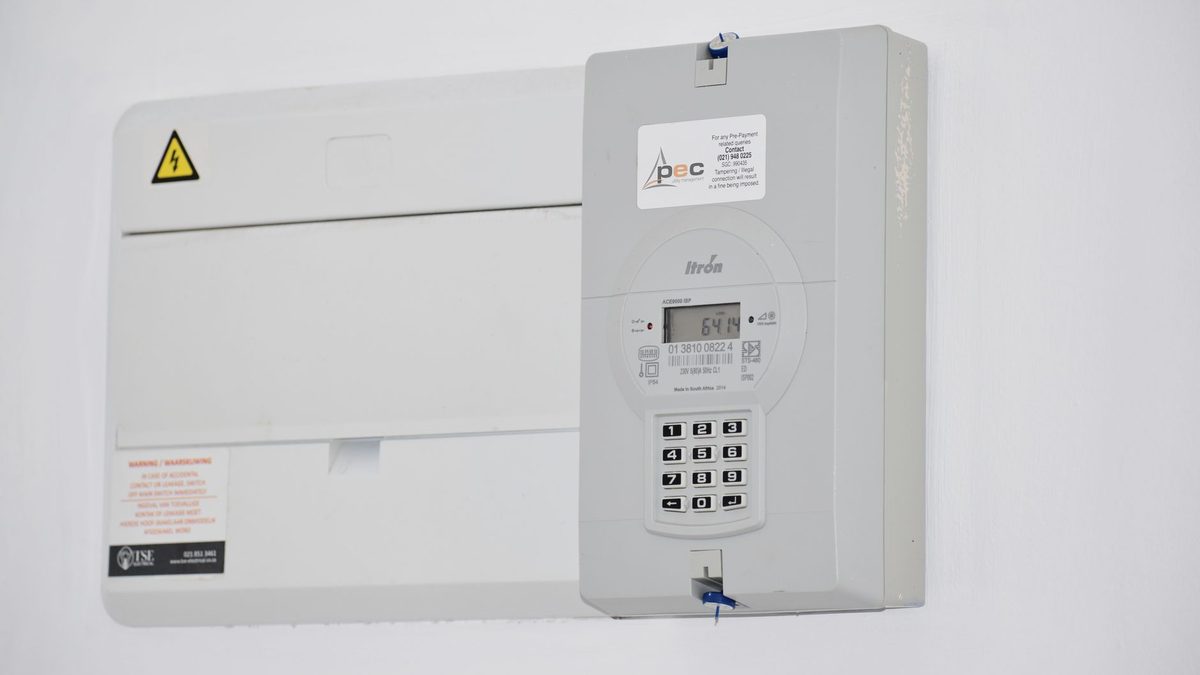
An EV charger does not automatically mean a larger panel is needed in Aurora. A load calculation checks the existing demand and proposed charging load before deciding on capacity, load management or an upgrade. This guide explains the options to discuss with the contractor.
What the load calculation adds up
Charging a car is a big, steady draw that runs for hours, so before any charger goes near your panel, a licensed contractor tallies what the house already pulls and checks whether the new circuit still fits under the service rating. In an Aurora home the line items that carry the most weight tend to be:
- Electric heat or a heat pump, the single biggest swing in an all-electric home
- Central air conditioning, which Aurora summers lean on hard
- The electric range and oven that feed a busy family kitchen
- An electric water heater or dryer running through the day
- The proposed EV charger circuit on top of all of it
A gas-heated Aurora home with a gas range often has generous headroom even on 100 amps, because those two big loads come off the electric tally. An all-electric home with electric heat and a wide range is the one more likely to come up tight, and the calculation is what tells the two apart.
The Aurora panel picture
A Aurora property with a 200-amp service still needs a load assessment; the service rating alone does not establish spare capacity. A 100-amp service can sometimes support charging too. The contractor checks existing demand and the proposed charging current, then compares a suitable circuit, approved energy management and any necessary service work.
Spotting signs that a panel needs review
You do not have to be an electrician to read the early warning signs at home:
- A 100-amp main breaker, common in Aurora's older streets
- No spare breaker slots, or tandem breakers already wedged in to make room
- Electric heat, range, and dryer all drawing at once
- Breakers that trip when a few big appliances run together
None of these rules a charger out on its own, but each one is a nudge that makes the load calculation the deciding step rather than a formality.
Load management, where most families save
Connected scheduling and service-load management are different functions. For your Aurora property, ask about an approved EV energy management system with compatible monitoring equipment if capacity is constrained. A timer or app setting alone does not monitor household demand or establish permission to add the charger load. Related reading: smart charger | 240-volt outlet.
When upgrading is the smarter long game
Sometimes the math flips. If a second family EV is on the horizon, a panel upgrade to 200 amps can be the better call even when load management would scrape one car through. An upgrade clears the way for two chargers, a heat pump, and whatever the family adds next, and doing it once costs less than opening the panel twice. Your contractor should lay out both routes with your household's plans in view.
When a subpanel is the tidy answer
Now and then the main panel is simply out of physical room while the service itself still has headroom. A subpanel fed from the main adds breaker space and gives the charger circuit a clean home without replacing the whole service. It is not always cheaper than a full upgrade, but in the right Aurora home it is a neat, code-compliant fix, and your contractor can say plainly when it is the one that fits.
Installation facts and equipment guidance
ESA notification and contractor requirements explain electrical-work responsibilities. Manufacturer charging guidance explains why output varies by vehicle and power supply. Ask the confirmed contractor to apply those requirements to your Aurora project.
First enquiry and later project review
Start with the short enquiry form: first name, preferred contact details and postal code. After first contact, the service provider may request the project details and photos below. The form does not take attachments.
- A clear photo of your panel with the door open, breakers visible
- Whether your heat, range, water heater, and dryer are gas or electric
- Your EV model and target charger
- Whether a second EV is likely down the road
Start with Get A Free Quote. Your enquiry goes to the service provider, which may ask for panel and parking photos after first contact and confirms the contractor, scope, price and availability.
Frequently asked
Does an Aurora home have to be on 200-amp service to add an EV charger?+
There is no standard service size for every Aurora charger. Ask the contractor to match a permitted charging output to assessed household demand, including planned additions, before deciding that the service must change.
How can I tell whether my family panel can carry an EV charger?+
The load calculation is the dependable read. A licensed contractor tallies the demand from your heat, cooling, range, water heater, and dryer, then checks whether the charger circuit still fits the service. A photo of the open panel plus a note of which of those run on gas versus electric is all it takes to start.
What does a panel upgrade run in Aurora?+
A family-home upgrade has no reliable flat price without a scope. Ask the contractor to identify service equipment, utility tasks and electrical approvals separately from the charger circuit and hardware, including tax and restoration exclusions.
With a second family EV coming, is it worth upgrading the panel now?+
Add both cars' energy needs and available parking times to the assessment. Compare compatible power sharing with separate circuits and service work; a future second EV does not automatically justify an immediate upgrade.
Can a smart charger avoid a panel upgrade altogether?+
A smart label covers many features. Avoiding service work depends on an assessed design with compatible current control or demand monitoring, not simply the ability to schedule a session in an app.