Level 2 Charger Installation for Aurora Garages
An Aurora garage is the easiest place to charge a family EV. Charger placement, cable reach, and the choice between plug-in and hardwired are what make the install clean and convenient.
Published
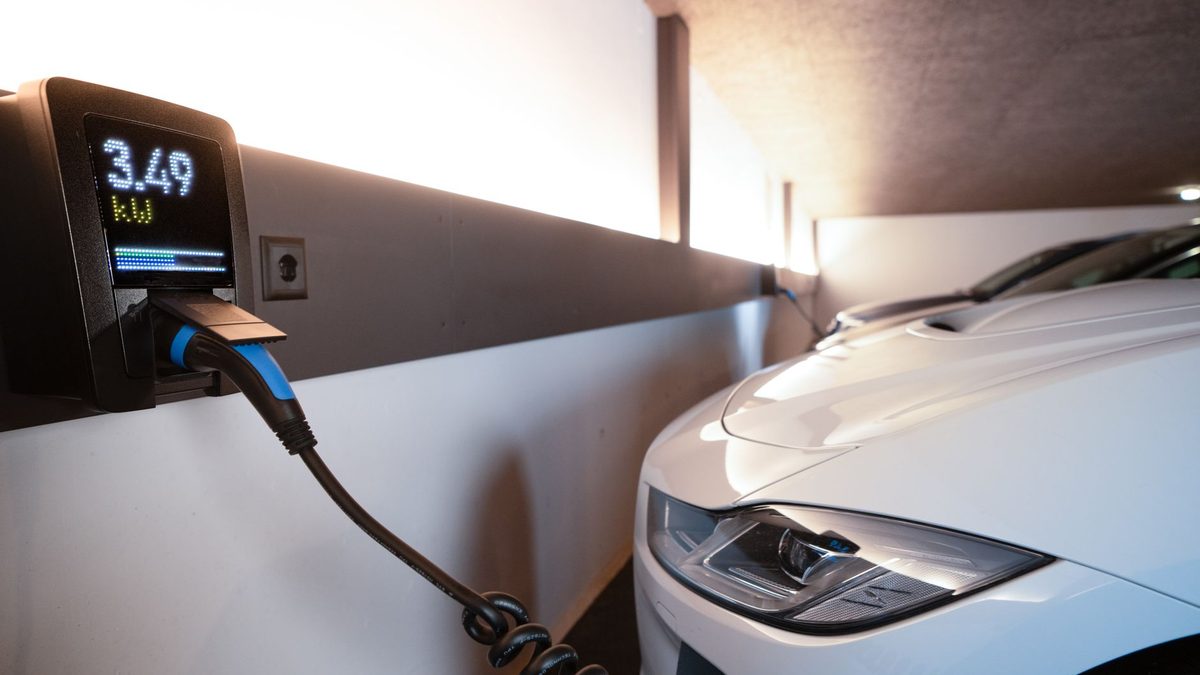
For most Aurora families, the garage is where the EV lives and where the charger belongs. Aurora EV Charger Pros installs Level 2 chargers in garages across the town, and a well-placed unit makes plugging in as natural as flicking a light switch. This guide covers the practical decisions: where to mount it, how the cable reaches, whether to go plug-in or hardwired, and the small things that keep a smart charger happy.
Getting the placement right
The goal is for the cable to reach your charge port comfortably, with slack to spare and nothing dragging on the floor. Where you mount the charger depends on which side your charge port sits and where you pull in. We look at:
- Which wall puts the unit nearest the charge port
- A mounting height that keeps the connector off the floor
- Room to walk around the car without the cable underfoot
- How far the spot sits from the electrical panel
In a busy family garage with bikes, bins, and a second car, thoughtful placement is the difference between a charger you love and one that is always in the way.
Cable reach and length
Charger cables commonly run from about 5 to 7.5 metres. A longer cable buys flexibility if you sometimes park nose-in and sometimes back in, or if a second vehicle shares the garage. We match the cable length and mount position to how your family actually parks, so the connector always reaches without a stretch.
Plug-in versus hardwired
Both deliver the same Level 2 speed, so the choice is about flexibility and amperage.
| Setup | Best for |
|---|---|
| Plug-in to a NEMA 14-50 outlet | Flexibility to unplug, swap units, or take the charger when you move |
| Hardwired | The tidiest look and higher amperage for chargers that support it |
A plug-in setup lets you unplug and take the unit with you. A hardwired unit is cleaner on the wall and supports the full output of higher-amperage chargers. We will recommend based on your charger and how settled you are in the home.
Wi-Fi and smart charger access
If you want a smart charger with app scheduling and energy tracking, it needs a reliable Wi-Fi signal in the garage. Detached and attached garages can sit at the edge of the home's network, so before install it is worth checking the signal where the charger will go. If it is weak, a mesh node or a Wi-Fi extender near the garage solves it cheaply, and we will flag the issue during the assessment so scheduling actually works on day one.
Panel distance, the cost driver
How far the garage sits from your panel is the single biggest factor in the job. A panel mounted right in the garage means a short 240-volt run and a quick install. A panel in a far basement room means fishing the circuit across the house, which adds labour. Either way we run a load calculation first, and if the panel is tight a panel upgrade or load management keeps things safe.
Sharing a busy family garage
An Aurora garage rarely holds just one car and nothing else. There is usually a second vehicle, the bikes, the bins, the hockey bags, and the wall of shelving, and the charger has to live alongside all of it without becoming the thing everyone trips over. We think about that during placement: mounting the unit so the connector tucks back on its holster clear of the walkway, choosing a side that does not force you to drape the cable across the second car, and leaving room for the family to load the trunk without fighting the cord. When two EVs share the space, we plan the mount and the cable reach so both park spots can be served as the household goes fully electric, even if only one charger goes in today.
Keeping the garage install tidy
A clean garage job has the cable managed on a hook or holster, the conduit run neatly along the wall rather than across open space, and the unit mounted square at a sensible height. EV charger installation should be completed by an ESA-licensed electrical contractor, with the permit pulled and the ESA inspection booked. Done properly, the charger looks like it was always meant to be there.
What to send before requesting a quote
- A photo of the garage, including where you park and where you want the charger
- A photo of your panel with the door open
- Which side your car's charge port is on
- Rough distance from the panel to the garage spot
Want a garage charger placed so it is a pleasure to use every day? Send your photos to the Aurora EV Charger Pros team through the quote form and we will plan the placement, the cable reach, and one fixed price for the family.
Frequently asked
Where should I mount an EV charger in my Aurora garage?+
On the wall nearest your car's charge port, at a height that keeps the connector off the floor and the cable out of the walkway. The right spot depends on which side your charge port sits and how you pull in. We plan it around how your family actually parks.
How long should the charger cable be?+
Most cables run about 5 to 7.5 metres. A longer cable adds flexibility if you sometimes back in, sometimes pull in, or share the garage with a second car. We match the cable length and mount position so the connector always reaches comfortably.
Plug-in or hardwired for a garage charger?+
Both deliver the same Level 2 speed. Plug-in to a NEMA 14-50 outlet lets you unplug and take the unit if you move, while hardwired looks tidier and supports higher amperage for chargers that allow it. We recommend based on your charger and your plans.
Does a smart charger need Wi-Fi in the garage?+
Yes, for app scheduling and energy tracking the charger needs a reliable signal where it is mounted. Garages can sit at the edge of the home network, so it is worth checking the signal first. A mesh node or extender fixes a weak spot cheaply.
How does panel distance affect a garage install?+
It is the biggest cost factor. A panel in the garage means a short run and a quick job, while a panel in a far basement room means fishing the circuit across the house, which adds labour. A load calculation also confirms the panel has capacity before we route anything.