EV Charger Installation for Aurora Detached Homes
Aurora's detached homes are well suited to home charging, often with an attached garage and a nearby panel. Placement, panel location, and second-EV planning are what shape a clean, future-ready install.
Published
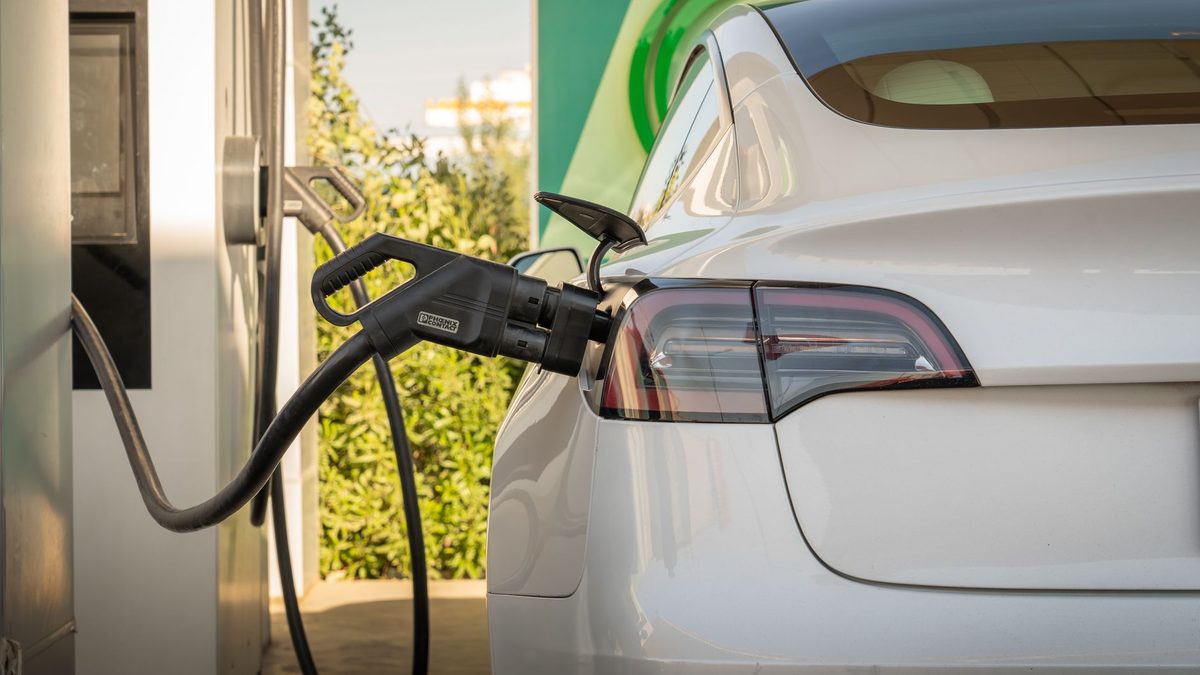
Aurora is a town of detached homes, and most of them are a natural fit for EV charging. Aurora EV Charger Pros installs chargers across the town's subdivisions and established neighbourhoods, where an attached garage and a panel close by often make for a quick, tidy job. This guide walks through placement, panel realities, and how to set the install up for a growing family fleet.
The detached-home advantage
A detached Aurora home usually gives you what a charger install wants most: a private garage, a dedicated parking spot, and a panel that is often within a reasonable run of the car. That is a different world from a condo or a tight downtown lot. In many newer subdivisions the panel sits right in the garage on 200-amp service, which is close to the perfect starting point.
Where the charger goes
Placement is mostly about the cable reaching your charge port without strain. A few common setups:
- Garage wall beside the parking spot. The simplest, with a short run and a clean mount.
- Garage wall across from the panel. A slightly longer run, tidied in conduit.
- Outdoor, for a driveway-parked car. A weather-rated unit on a sealed feed.
We mount the charger at a height that suits your vehicle and keeps the cable off the floor, which matters in a working family garage.
Panel location and the run
The distance from the panel to the parking spot is the main cost lever. When the panel is in the garage, the run is short and the job is fast. When it sits in a basement utility room at the far end of the house, we fish a dedicated 240-volt circuit to the garage, which takes a bit more labour. Either way, a load calculation confirms there is capacity before we route anything.
Panel capacity in older detached homes
Newer Aurora homes are usually on 200-amp service with room to spare. Older detached homes nearer the historic core may be on 100 amps, where a load calculation matters more. If the panel is tight, a panel upgrade or a load-managing smart charger keeps the install safe and within code. We tell you straight which camp your home is in.
Outdoor and driveway setups
Not every family parks in the garage. If the daily driver lives on the driveway, we mount an outdoor-rated charger weather-facing with a properly sealed feed built for Aurora's freeze-thaw winters. A Tesla Wall Connector or a universal Level 2 unit both come in outdoor-rated versions that handle this well.
Planning for the family fleet
Detached homes are where two-EV households tend to land, as families replace cars one at a time. It is worth wiring with that in mind. Sizing the circuit and choosing a unit that supports power sharing now means the second charger is a simple add later, not a fresh project. Running a slightly heavier feed or leaving panel space while the walls are open is cheap; revisiting it after everything is closed is not. We flag these small decisions during the assessment so your setup still fits in a few years.
Permit, ESA, and Alectra
A charger in a detached Aurora home is a permitted job like any other. An electrical permit is pulled and an ESA inspection booked once the work is finished, and both should sit inside your fixed price rather than surface as an extra. EV charger installation should be completed by an ESA-licensed electrical contractor, who coordinates the new circuit with your home's Alectra service and signs the install off to the Ontario Electrical Safety Code. That paperwork is what protects you with your insurer and at resale, so it is part of doing the job once and doing it right.
A typical detached-home timeline
For a straightforward detached install, the assessment is quick once we have photos of the panel and the parking spot, and the install itself usually finishes in a single afternoon. A short run from a garage-mounted panel on 200-amp service is the fastest case. Fishing a circuit from a far basement panel, adding an outdoor run, or including a panel upgrade stretches the timeline, but we set those expectations before we start so there are no surprises. Most Aurora families are charging at home the same day the electrician arrives.
What to send before requesting a quote
- A photo of your garage or driveway and where you want the charger
- A photo of your panel with the door open
- Rough distance from the panel to the parking spot
- Your EV model, and whether a second EV is likely
Want a charger that fits your home and the family's plans? Send your photos to EV charger installers in Aurora through the quote form and we will design the placement, confirm the capacity, and give you one fixed price.
Frequently asked
Are detached Aurora homes easy to fit a charger in?+
Usually yes. A detached home typically offers a private garage, a dedicated parking spot, and a panel within reach, which is close to ideal for a charger. Newer subdivisions on 200-amp service with the panel in the garage are the quickest jobs of all.
Does the panel location affect the cost?+
Yes, it is the main lever. When the panel is in the garage near the car, the run is short and the job is fast and cheaper. A panel in a far basement utility room means fishing a longer circuit to the garage, which adds labour and material.
Can I charge a car parked on the driveway?+
Yes. We mount an outdoor-rated charger weather-facing on a sealed feed built for Aurora winters. Both Tesla Wall Connectors and universal Level 2 units come in outdoor-rated versions, so a driveway-parked family car is no problem.
Should I wire for a second EV now?+
It is worth considering. If a second family EV is likely, sizing the circuit and picking a power-sharing unit during the first install makes the second charger a simple add later. Doing that work while the walls are open is far cheaper than revisiting it.
Will my older detached home need a panel upgrade?+
Maybe, maybe not. Older homes near the historic core can be on 100-amp service, where a load calculation decides it. If the panel is tight, a panel upgrade or a load-managing smart charger keeps the install safe. Newer homes on 200 amps rarely need one.